Professional Residential Electrician for Sound and Optimized Resolutions
A licensed residential electrician fulfills a crucial role in upholding the protection and performance of power networks in dwellings. These trained experts are certified to execute installations, repairs, and upgrades, ensuring compliance with building codes and regional requirements. Routine issues, such as flickering lights or broken connections, typically demand expert intervention. Understanding the scope of their work poses vital concerns about protection, stability, and future condition of a house's electrical setup. What should homeowners assess before engaging?
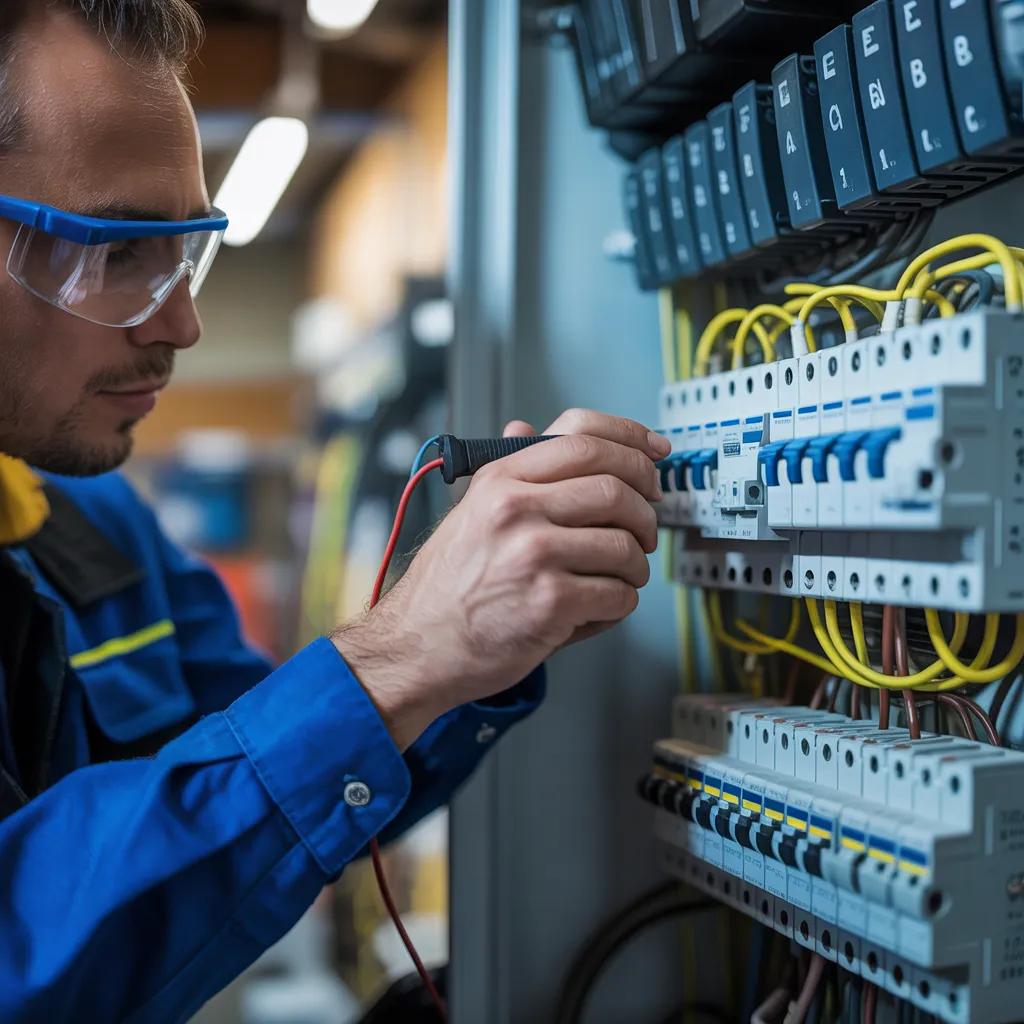
What Duties Does Home Electrician Actually Handle?
A residential electrician focuses on the installation, maintenance, and repair of electrical systems within homes. Their main duties include wiring, circuit installation, and the setup of lighting fixtures. They also diagnose electrical issues, making sure that systems function efficiently and safely.
Beyond these tasks, residential electricians carry out routine inspections to discover potential threats and confirm conformity with relevant codes. They frequently enhance existing systems to support new appliances or technology, thereby increasing a home's capability.
Moreover, they deliver valuable consultation services, helping homeowners discover power-saving options and innovative electrical designs. A residential electrician equally engages with other contractors during renovations or new constructions, confirming that electrical work coordinates effectively with other aspects of the project. By deploying specialized learn about this tools and observing industry standards, they maintain an essential role in upholding a safe and reliable electrical environment in residential settings.
Safety Standards in Electrical Work: Important Information for Homeowners
What approaches can property owners use to guarantee their electrical systems stay secure and up to code? Grasping safety standards is critical. Electrical codes, including the National Electrical Code (NEC), provide a standard for secure setups and methods. Homeowners must verify their systems adhere to these requirements to reduce risks of electrical fires and shocks.
Routine checks by a certified electrician can help detect potential risks. Electricians are trained to adhere to local codes and implement safety protocols. Homeowners should also be knowledgeable of proper capacity limits to avoid overload, which can lead to overheating.
Additionally, using certified products and materials is crucial for upholding safety. Homeowners must emphasize the setup of GFCI outlets in moisture-prone spaces and confirm smoke detectors are functioning. By keeping informed and proactive about power safety protocols, homeowners can significantly reduce risks and provide a safe living environment.
Standard Electrical Concerns and How Professionals Tackle Them
Homeowners commonly deal with multiple wiring problems that can create hazards to safety and functionality. Typical issues feature flickering lights, circuit breaker trips, and non-functioning outlets. These problems can be caused by outdated wiring, overloaded circuits, or defective devices.
Electrical surges are another common concern that can damage gadgets and equipment. GFCIs (Ground fault circuit interrupters) may also fail, producing dangers in wet areas like kitchens and bathrooms.
Specialists diagnose these difficulties by conducting extensive examinations, verifying wiring integrity, and analyzing the strain on circuits. They use advanced diagnostic tools to identify hidden problems and ensure compliance with safety standards.
How to Handle Common Electrical Problems With Professional Support
Electrical issues frequently demand professional electrician expertise to address. Flickering lights, circuit breakers that trip frequently, and malfunctioning outlets are common problems that can indicate underlying electrical faults. A certified electrician guarantees these issues are diagnosed accurately and resolved safely.
Flickering Lights Solutions providing experienced solutions
Flickering lights can disrupt the coziness of any home, signaling potential electrical problems that need immediate attention. This common problem often indicates loose connections, faulty switches, or inadequate wattage. Homeowners should first check if the flickering occurs with particular bulbs or throughout the entire house. If it is isolated, changing the bulb may solve the issue. However, persistent flickering warrants consultation with a professional residential electrician, who can accurately diagnose and rectify underlying problems. A qualified electrician will inspect wiring, evaluate circuit loads, and guarantee all connections are secure. Addressing flickering lights promptly not only brings back peace but also enhances safety, preventing potential hazards like electrical fires. Professional intervention provides peace of mind and long-term solutions.
What Triggers Your Circuit Breaker to Trip
Understanding these problems is critical; engaging a professional residential electrician to diagnose and resolve these problems guarantees safety and efficiency in the home's electrical system.
Outlet Problem Resolution
Recognizing the possible challenges linked with circuit breakers naturally emphasizes the importance to troubleshoot outlet malfunctions. Outlet difficulties can present as flickering lights, non-functioning devices, or unusual sounds emanating from the outlet itself. These symptoms frequently indicate underlying electrical issues that call for professional evaluation. A qualified electrician will start by examining the circuit for overloads, loose connections, or damaged wiring. They might also check for proper grounding and voltage levels to confirm safety. Promptly addressing these malfunctions is vital, as ignoring them can result in more serious hazards, including electrical fires. By depending on a professional, homeowners can ensure their electrical systems function efficiently and safely, safeguarding both their property and peace of mind.
Why Choose an Specialist for Electrical Upgrades?
Upgrading electrical systems can significantly improve a home's security and efficiency, making professional help essential. Homeowners often miscalculate the complexities involved in electrical upgrades, which can create costly mistakes or hazardous situations. Professional electricians maintain the necessary training and experience to understand local codes and regulations, ensuring that upgrades are secure and regulation-compliant.
In addition, consultants can determine a home's specific electrical needs, presenting tailored solutions that optimize performance and energy efficiency. They are outfitted with the right tools and knowledge to handle potential challenges, such as worn electrical lines or insufficient load capacity. This proficiency not only prevents hazards but also bolsters the durability and steadiness of the electrical system.
Ultimately, hiring a qualified electrician for upgrades not only safeguards a home but also offers confidence, understanding that the work is done properly and effectively, thereby maximizing the expenditure in the property.
Getting Ready for Your Electrical Evaluation?
During an electrical inspection, homeowners can expect a thorough evaluation based on a common checklist that points out key components of their system. Inspectors will assess compliance with protective codes to confirm the power system is safe and functional. Understanding these expectations enables property owners ready themselves for a successful inspection process.
Basic Examination Checklist Items
A meticulous electrical inspection typically requires various essential inspection elements that confirm safety and compliance with standards. Inspectors often start out by examining the main electrical panel for proper grounding and secure connections. They inspect cable work for any marks of age, damage, or unsuitable arrangement. Protection devices and fuses are evaluated to make sure they are working as intended and adequately suitable for the power load. In addition, wall outlets and electrical switches are checked to confirm they are earthed properly and without any problems. Fire detection devices and poisonous gas detectors are also checked for adequate function. In the end, the evaluator surveys any modifications or additions to the power system to ascertain they adhere to local codes and standards, ensuring the overall safety of the home's electrical framework.
Safety Standards Compliance Summary
Following an thorough checklist review, comprehending safety standards compliance is important for homeowners. Adherence to safety standards for electrical systems ensures that electrical installations meet both national and state requirements, minimizing hazards from electrical hazards. Homeowners can expect the electrician to verify proper grounding, circuit integrity, and the application of approved materials. Moreover, adherence to the National Electrical Code (NEC) is critical, as it outlines the baseline safety standards for electrical systems. During assessments, electricians will assess the operation of smoke alarms and carbon monoxide alarms, ensuring they work correctly. By prioritizing safety guidelines, homeowners not only preserve their residence but furthermore safeguard the welfare of their household members. Ultimately, compliance establishes confidence in electrical services and supports ongoing safety.
How to Locate the Ideal Electrician for Your Home
Selecting the right electrical professional for your home can seem difficult—what factors should one evaluate? First, verifying credentials is crucial. A licensed electrician demonstrates that they have met the required training and requirements. Homeowners should also check for insurance, as this protects against possible risks during the job.
Experience serves as another key necessity; professionals with a solid track record are often more competent at dealing with various issues. Examining assessments and collecting referrals can give insight into their consistency and excellence of work.
Furthermore, securing multiple quotes assists homeowners evaluate pricing and services, confirming they secure a reasonable price. Communication skills are equally important; an electrician should be able to communicate issues and solutions clearly.
Finally, examining their familiarity with local rules and codes can prevent future problems. By methodically considering these elements, homeowners can formulate an informed choice, finally securing safety and performance in their electrical endeavors.
Frequently Asked Queries
What Is the Price to Engage a Residential Electrical Contractor?
A residential electrician's hourly rate typically falls between $50 to $100 per hour, subject to your area and the difficulty involved in the job. Extra charges may accrue for supplies and urgent services, influencing your overall bill.
How much time Does an Electrical Project generally Take?
An electrical job typically takes a few hours to several days, based on its scope and complexity. Basic repairs may require little time, while major installations or renovation work can prolong the duration significantly.
What Requirements Should I Search for in an Electrical Specialist?
When pursuing an electrician, one should focus on qualifications such as appropriate certifications, protection, relevant experience, and positive customer reviews. Additionally, credentials in niche expertise can strengthen their standing and assure quality workmanship.
Is Emergency Electric Support Accessible?
Emergency electrical services are certainly available. Many electricians provide 24/7 aid for urgent concerns, providing rapid response and solutions to reestablish security and performance. Residents should establish availability and turnaround before emergencies develop.
Can I Perform Electrical Work Myself Legally?
In many jurisdictions, individuals have the right to lawfully undertake electrical work on their own properties, but regulations change. It's important to verify local codes and safety standards to confirm compliance and prevent potential hazards or fines.